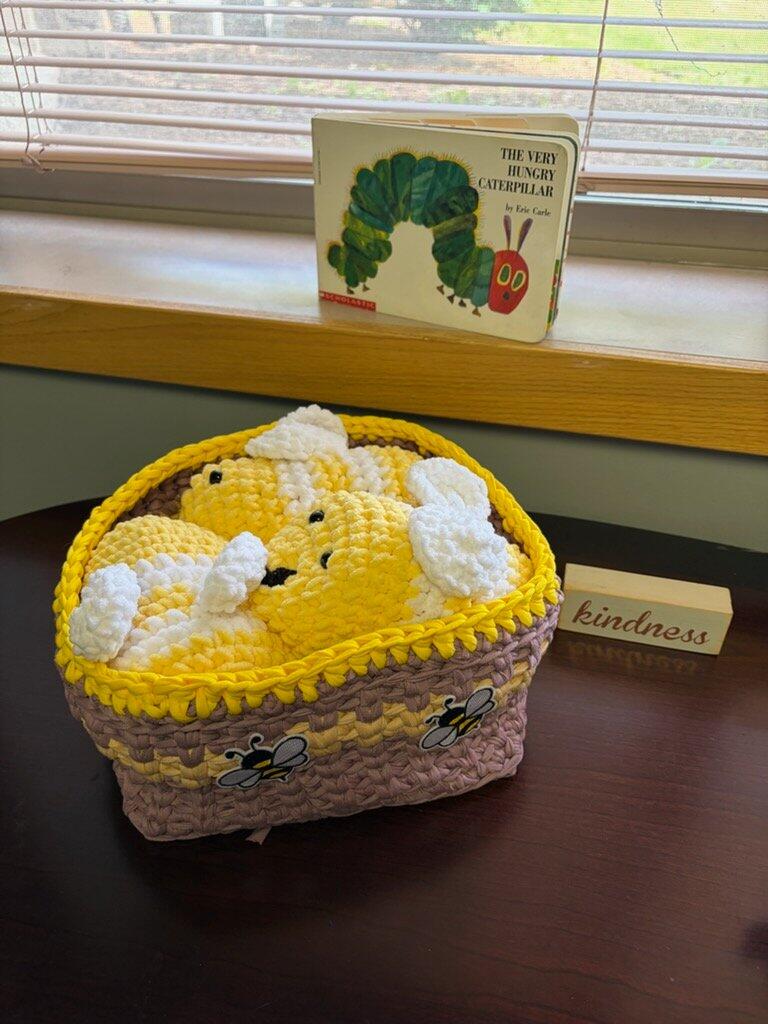
Why the Right Crochet Material Changes Everything
Every finished crochet piece starts with one decision that matters more than stitch count, hook size, or pattern complexity: the material. The yarn or cord you choose determines whether your project holds its shape, lasts through years of use, or falls apart after a single wash.
Here's something most people don't realize: using the wrong yarn on a hot pad is a genuine fire safety risk. That's not a small detail. It's the kind of thing that separates thoughtful handmade work from mass-produced shortcuts.
As a former nurse turned artisan maker, I approach material selection with the same precision I once brought to patient care. It's not a preference. It's a core craft skill. In this guide, I'll walk you through the best crochet materials for baskets, kitchen items, baby gifts, winter accessories, and more, so every piece you make (or receive) is built to last.
Macramé Cord and T-Shirt Yarn: The Best Choices for Baskets and Purses
If you've ever crocheted a basket with regular worsted weight yarn and watched it slump into a sad, shapeless lump, you already know why material matters here. Macramé cord is the answer.
Macramé cord features a braided or plied construction that gives it real structural integrity. It's available in natural fibers like cotton, linen, hemp, and jute, as well as synthetics like polyester, with sizes typically ranging from 2mm to 12mm. That thickness and rigidity are exactly what you need for baskets, bags, and home decor pieces that actually hold their shape.
In my studio, I choose macramé cord when I want a refined, structured aesthetic. The finished product looks sophisticated and feels substantial in your hands.
T-shirt yarn is another strong option. Made from strips of cotton jersey fabric, it's super-bulky, machine washable, and incredibly durable. It works up fast, too. If you're after a chunkier, more casual look with serious durability, T-shirt yarn delivers.
Here's the comparison in simple terms:
- Macramé cord: structured, polished, holds a clean shape
- T-shirt yarn: chunky, casual, ultra-durable, and machine washable
One professional-level tip that most beginner guides skip entirely: always pair your crocheted baskets and purses with a solid base made of wood, vinyl, or leather. Without one, the bottom will sag and lose its shape over time, no matter how tightly you crochet. A solid base gives the piece the structural foundation it needs to look and function beautifully for years.
Cotton Yarn: The Workhorse for Kitchen and Spa Items
Cotton yarn is the material I reach for most often in my studio, and for good reason. It's the top choice for an entire category of practical, everyday items:
- Washcloths and dish rags
- Dish towels
- Table runners
- Shawls
- Facial scrubbies and loofahs
- Soap saver bags
- Hot pads and potholders
What makes cotton so ideal? It's breathable, absorbent, and sturdy. It also softens beautifully with repeated washing, which means these items actually get better with use. That's a rare quality in any material.
Let me talk about hot pads specifically, because this is where material choice becomes a safety issue.
Cotton does not melt under heat. That single fact makes it the only responsible choice for anything that will come into contact with hot pots, pans, or baking dishes. Acrylic yarn begins breaking down at around 200°F and melts by approximately 300°F. Polyester, nylon, rayon, and other synthetics carry the same risk and can release harmful fumes when exposed to high heat.
I've seen well-meaning makers sell acrylic hot pads without realizing the danger. As a former nurse, this is something I take seriously.
Wool (non-superwash varieties) is a secondary option for hot pads because of its natural flame resistance. But cotton remains the gold standard because it's easy to wash, widely available, and consistently safe.
Choosing cotton for kitchen items isn't just a craft preference. It's a responsibility to the person receiving the gift. That kind of intentionality is what handmade work should always carry.
Baby Yarn and Skin-Safe Fibers: What to Use for Infant Items and Sensitive Skin
This one is simple and non-negotiable: always use baby yarn for any item made for an infant. Baby yarn is specifically formulated to be softer, gentler, and less irritating on delicate newborn skin. Regular yarn, even soft-feeling options, can contain chemicals or textures that aren't appropriate for babies.
When shopping for baby yarn, look for two things on the label:
- Hypoallergenic designation
- Oeko-Tex Standard 100 certification, which guarantees the yarn is free from over 300 harmful substances
For natural fibers, cotton, bamboo, and superwash merino wool are excellent choices. They're breathable, smooth against the skin, and hypoallergenic.
One important warning: avoid fluffy fibers like alpaca, mohair, and angora for baby items. Despite how soft they feel, they shed. Loose fibers near an infant's face pose a real danger.
At Stitched Creations, I use thoughtfully sourced, eco-friendly materials in every handmade baby item. When someone chooses one of my pieces for a baby shower gift, they can trust that the fiber was selected with the same care I'd want for my own family.
This conversation extends to adults, too. If you or someone you know has sensitive skin, coarse or synthetic yarns can cause irritation and discomfort. Fiber choice matters well beyond aesthetics.
Chunky Yarn for Winter Accessories: Why Weight and Warmth Are Connected
For hats, scarves, and fingerless gloves, chunky and bulky weight yarns are the clear winner. But do you know why thicker yarn keeps you warmer?
It's about air. Thicker fibers create denser fabric that traps more air between the stitches. That trapped air acts as insulation, keeping body heat in and cold air out. It's the same principle behind down jackets and double-pane windows.
There's a practical bonus, too: bulky yarn works up fast. A hat or pair of fingerless gloves can be completed in a single sitting, which is a lifesaver when you're making gifts on a deadline or producing small-batch inventory.
Fiber content still matters within the bulky category. Wool and wool blends offer superior warmth and moisture-wicking compared to acrylic bulky yarns. If warmth is the goal, natural fibers deliver.
2026 Crochet Material Trends: Sustainability Is No Longer Optional
The numbers tell a clear story. Demand for sustainable fibers in knitting and crochet increased 48% between 2021 and 2024. Eco-yarn usage rose 41% over the same period. This isn't a passing trend. It's a permanent shift in how makers and buyers think about materials.
The fibers leading this movement include organic cotton, bamboo, hemp, recycled cotton blends, and plant-based fibers with traceable, ethical production stories. Eco-friendly fibers now account for approximately 55% of crafting projects in 2025 and 2026, and 39% of young US consumers actively prefer sustainable yarns.
For artisan makers, this shift feels natural. Choosing traceable, responsibly sourced materials is part of what makes handmade goods genuinely different from mass-produced alternatives. It's not a marketing angle. It's a value system.
One trending specialty fiber worth noting is raffia. It creates beautifully structured sun hats, market bags, and decorative baskets with a coastal or bohemian aesthetic. Keep in mind that raffia is not suitable for clothing worn against the skin.
In my studio, thoughtful material sourcing is how I communicate integrity and care through every finished piece. Every skein I choose has a story, and I want that story to be one worth telling.
Choosing Your Materials with Intention
Here's the quick reference: macramé cord and T-shirt yarn for baskets and purses (always with a solid base), cotton for kitchen and spa items, baby yarn for infant gifts, chunky yarn for winter warmth, and sustainable fibers as the 2026 standard.
Material selection is both a craft skill and an act of care. Care for the maker, the recipient, and the planet.
Every material choice I make in my studio is deliberate. The person receiving a handmade piece deserves nothing less than thoughtful intention from the very first fiber selected. That's the promise behind every Stitched Creations piece, and it's a promise I'll never compromise on.